 Tooth Pain
Common Causes of Toothache
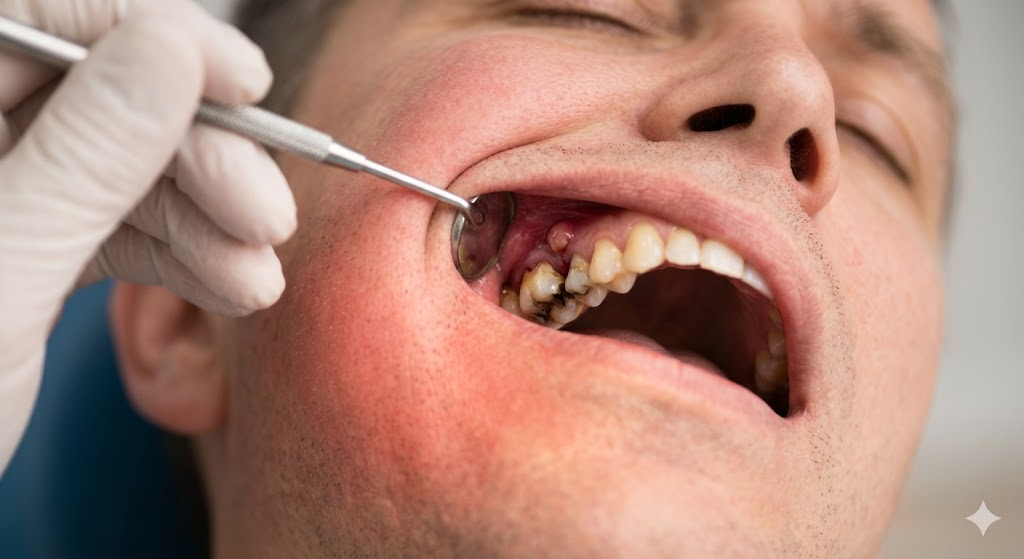
Toothache can come from decay, gum problems, sensitivity, cracks, pressure, or infection, and the safest next step depends on the pattern of symptoms.
Read MoreTooth Pain
A simple Dental Learner guide written in plain language for patients and students.

Main Question
Key Points
Dental Learner Note
Dental Learner explains common dental concerns in plain language so readers can understand symptoms, ask better questions, and seek care when needed.
Common Misunderstanding
A common mistake is waiting too long when symptoms are severe, spreading, or repeatedly coming back.
What It May Mean
What To Do Next
Important Context
Take-home Message
This article is educational and does not replace a dental examination. Use it to understand likely causes, prepare better questions, and recognize when care should not be delayed.
If symptoms are severe, spreading, associated with fever, or affecting breathing or swallowing, seek urgent clinical care.
Keep Learning
Tooth Pain
Toothache can come from decay, gum problems, sensitivity, cracks, pressure, or infection, and the safest next step depends on the pattern of symptoms.
Read More Tooth Pain
Pain after eating can happen for different reasons, including sensitivity, decay, cracked teeth, gum irritation, or pressure from biting.
Read More
Tooth Pain
Tooth pain that lasts, spreads, or comes with swelling can be a sign that a dentist should check the problem instead of waiting.
Read More