Complete Guide to Braces: Types, Process & Results
Thinking about braces? Learn the types of braces, treatment process, timeline, costs, and realistic results — explained clearly by a dental expert.
Jul 13, 20268 min readDental Learner editorial
Main Question
What do braces actually do?
Key Points
Braces gradually move teeth using controlled pressure.
Treatment works through bone remodeling.
Most treatments take 12–24 months.
Braces improve function as well as appearance.
Modern orthodontics uses controlled force for safe tooth movement.
Dental Learner Note
Orthodontic movement is not about “pushing teeth through bone.” It’s about guiding bone to reshape around teeth.
Most patients don’t realize that tooth movement is actually a slow, carefully controlled inflammatory process. That’s why orthodontists adjust braces periodically — to maintain ideal pressure without damaging tissues.
Quick TakeawayBraces gradually move teeth into better alignment by applying controlled, continuous pressure. This pressure stimulates bone remodeling around the teeth, allowing them to shift safely into improved positions over time. Treatment typically takes 12–24 months depending on complexity.
Common Misunderstanding
Myth: Braces are only for children.
Fact: Adult orthodontics is increasingly common and successful.
Myth: Braces weaken teeth.
Fact: Properly managed orthodontics preserves long-term dental health.
Myth: Faster orthodontics is always better.
Fact: Biology has limits. Safe movement requires time.
Myth: Clear aligners work for everyone.
Fact: Case selection determines success.
What It May Mean
Crowded teeth
Gaps between teeth
Overbite or deep bite
Underbite
Crossbite
Open bite
Jaw alignment concerns
What To Do Next
If you’re considering braces, schedule a professional consultation. An individualized assessment always matters more than general advice.
Important Context
Orthodontic treatment is safe when properly managed. However:
Possible risks include:
Root shortening (rare but documented in literature)
Gum inflammation
White spot lesions from poor hygiene
Relapse if retainers not worn
Systematic reviews in orthodontic literature emphasize oral hygiene as a key determinant of outcome.
Braces do not cause cavities.
Poor brushing around braces does.
Take-home Message
Orthodontic treatment is not a cosmetic shortcut. It is a carefully planned biological process designed to create stable, healthy alignment.
If you’re considering braces, schedule a professional consultation. An individualized assessment always matters more than general advice.
Because in dentistry — especially orthodontics — precision matters.
Introduction: Let’s Talk Honestly About Braces
If you’re reading this, you’re probably thinking one of three things:
“My teeth aren’t straight, and I’m finally ready to fix them.”
“My child needs braces, and I want to understand what we’re getting into.”
“I’ve delayed this for years… is it too late?”
First, let me reassure you — orthodontic treatment is not just about aesthetics. Yes, straighter teeth improve smiles. But more importantly, they improve function, oral hygiene, long-term dental stability, and even jaw health.
Most patients assume braces are purely cosmetic. Clinically speaking, that’s only half the story.
In this comprehensive guide, I’ll walk you through:
What braces actually do biologically
The different types available today
What the full treatment process looks like
Realistic timelines and results
Risks, myths, and modern advances
What you should expect as a patient
Whether you’re a parent, adult patient, or even a fresh dental graduate brushing up your fundamentals — this guide is designed to give clarity without overwhelm.
Quick Answer: What Do Braces Actually Do?
Braces gradually move teeth into better alignment by applying controlled, continuous pressure. This pressure stimulates bone remodeling around the teeth, allowing them to shift safely into improved positions over time. Treatment typically takes 12–24 months depending on complexity.
What Are Braces and How Do They Work?
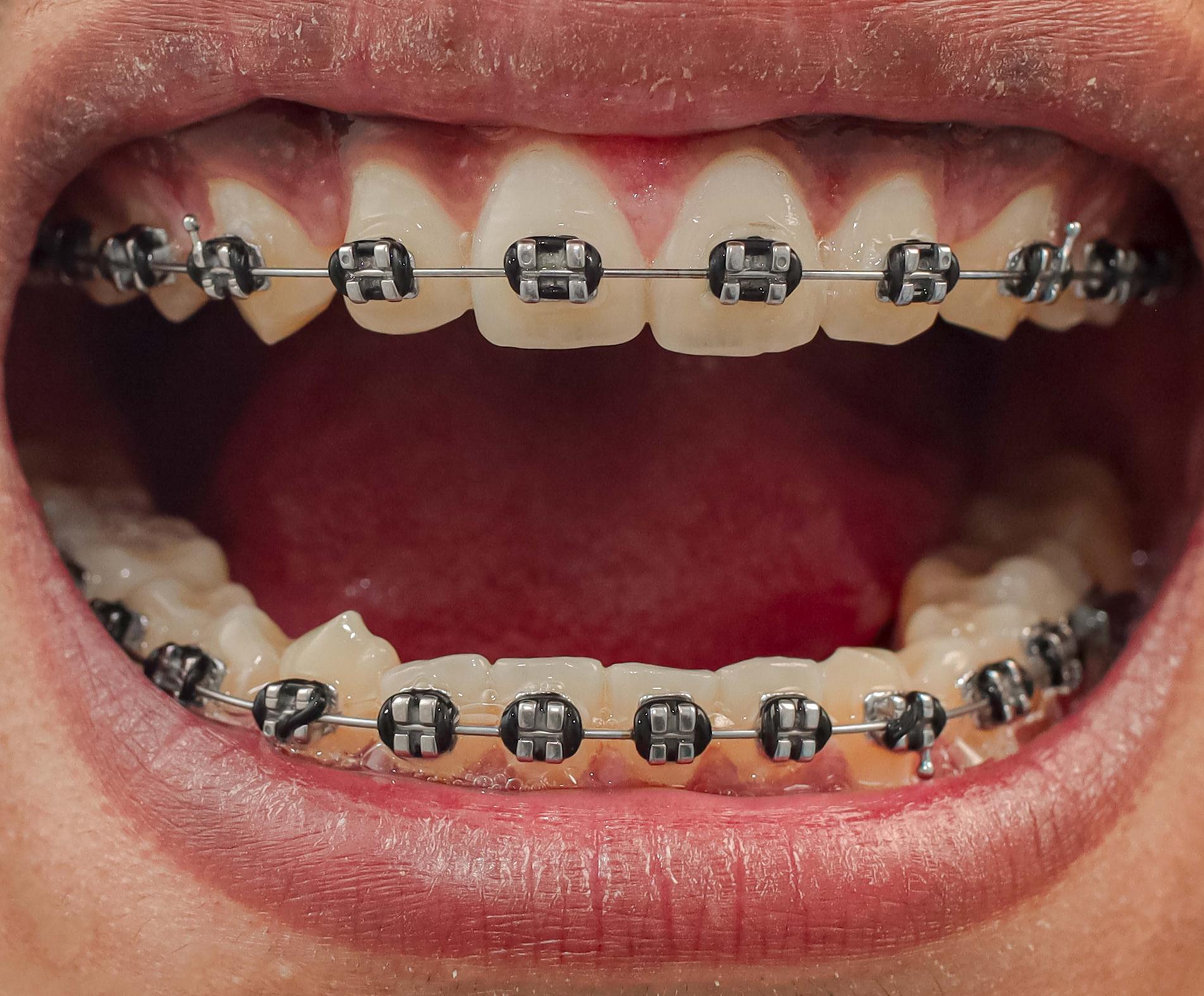
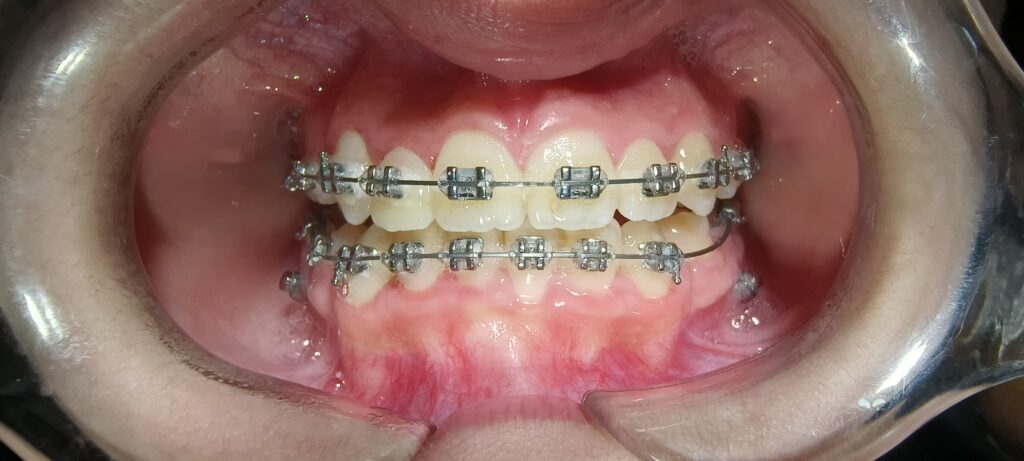
At a glance, braces look mechanical — wires and brackets attached to teeth. But beneath that simplicity lies an elegant biological process.
When gentle pressure is applied to a tooth:
The bone on one side resorbs (breaks down slightly)
The bone on the opposite side rebuilds
The periodontal ligament adapts
This process is called bone remodeling.
Orthodontic movement is not about “pushing teeth through bone.” It’s about guiding bone to reshape around teeth.
Most patients don’t realize that tooth movement is actually a slow, carefully controlled inflammatory process. That’s why orthodontists adjust braces periodically — to maintain ideal pressure without damaging tissues.
Professional organizations such as the American Association of Orthodontists emphasize controlled force systems to prevent root resorption and gum complications.
Considering braces for yourself or your child? Compare metal and ceramic braces, lingual braces and clear aligners, understand the treatment journey, learn what affects timing, and discover how to protect your results.
A comprehensive patient-friendly guide to dental implants, explaining what they are, how they work, benefits, risks, procedure steps, and long-term care.
 For Dental Students & Professionals