Learn how gum disease develops, its early warning signs, stages, treatment options, and how timely care can help protect your teeth and gums.
Jul 13, 20269 min readDental Learner editorial
Main Question
What is gum disease, and how can it be treated before it causes permanent damage?
Key Points
Gum disease begins with plaque buildup.
Early gingivitis is reversible.
Untreated disease can progress to periodontitis.
Bleeding gums should never be ignored.
Early diagnosis improves long-term outcomes.
Dental Learner Note
Gum disease often develops without pain. Bleeding gums are not normal and should never be ignored. Early diagnosis and treatment can prevent permanent damage to the gums and supporting bone.
Quick TakeawayGingivitis is reversible with good oral hygiene and professional dental care. If left untreated, it can progress to periodontitis, which causes permanent damage to the supporting structures of the teeth.
Common Misunderstanding
Myth: Bleeding gums are normal when brushing.
Fact: Healthy gums should not bleed. Bleeding is often an early sign of gum disease.
What It May Mean
Bleeding while brushing
Swollen or red gums
Persistent bad breath
Loose teeth
Receding gums
Pain while chewing
What To Do Next
Book a dental examination.
Improve daily brushing and flossing.
Arrange a professional dental cleaning.
Follow your dentist's oral hygiene advice.
Attend regular dental check-ups.
Important Context
Early gum disease (gingivitis) is reversible.
Advanced periodontitis causes permanent bone loss.
Smoking, diabetes, and poor oral hygiene increase the risk of gum disease.
Early treatment offers the best long-term outcome.
Take-home Message
Healthy gums are essential for healthy teeth. Do not ignore bleeding, swelling, or persistent bad breath. Early treatment can prevent permanent damage and help maintain lifelong oral health.
Introduction
Gum disease is one of those conditions people think they understand—until they actually have it.
At first, it feels harmless. A little bleeding while brushing. Maybe some mild swelling. Easy to ignore. Easy to dismiss.
But beneath that surface, something far more serious can be developing quietly.
Gum disease doesn’t usually begin with pain. It begins with subtle changes. And if those changes are ignored, the condition can progress into bone damage, loose teeth, and eventually tooth loss.
This guide is designed to give you clarity—not just definitions, but real understanding. What’s happening. Why it matters. And most importantly, what you should do next.
Quick Answer
Gum disease is a bacterial infection that starts in the gums and can spread deeper into the supporting structures of the teeth.
In its early stage, called gingivitis, it is reversible.
In its advanced stage, called periodontitis, the damage becomes permanent—but manageable.
The difference between the two often comes down to timing.
What Is Gum Disease?
Gum disease is not a single event. It’s a process. A progression.
It begins when plaque—a sticky layer of bacteria—builds up along the gumline. If it’s not removed properly, those bacteria don’t just sit there. They become active. Aggressive.
Your body reacts. Inflammation begins.
At first, that inflammation is limited to the gums. But over time, it spreads deeper, affecting the tissues and bone that hold your teeth in place.
That’s the turning point. Once bone is involved, the disease changes completely.
Common Symptoms You Should Never Ignore
Gum disease rarely announces itself loudly in the beginning. It whispers.
A little bleeding when you brush. Gums that look slightly red instead of healthy pink. Breath that doesn’t feel fresh even after cleaning your teeth.
These early signs are easy to overlook. Many people assume they’re temporary.
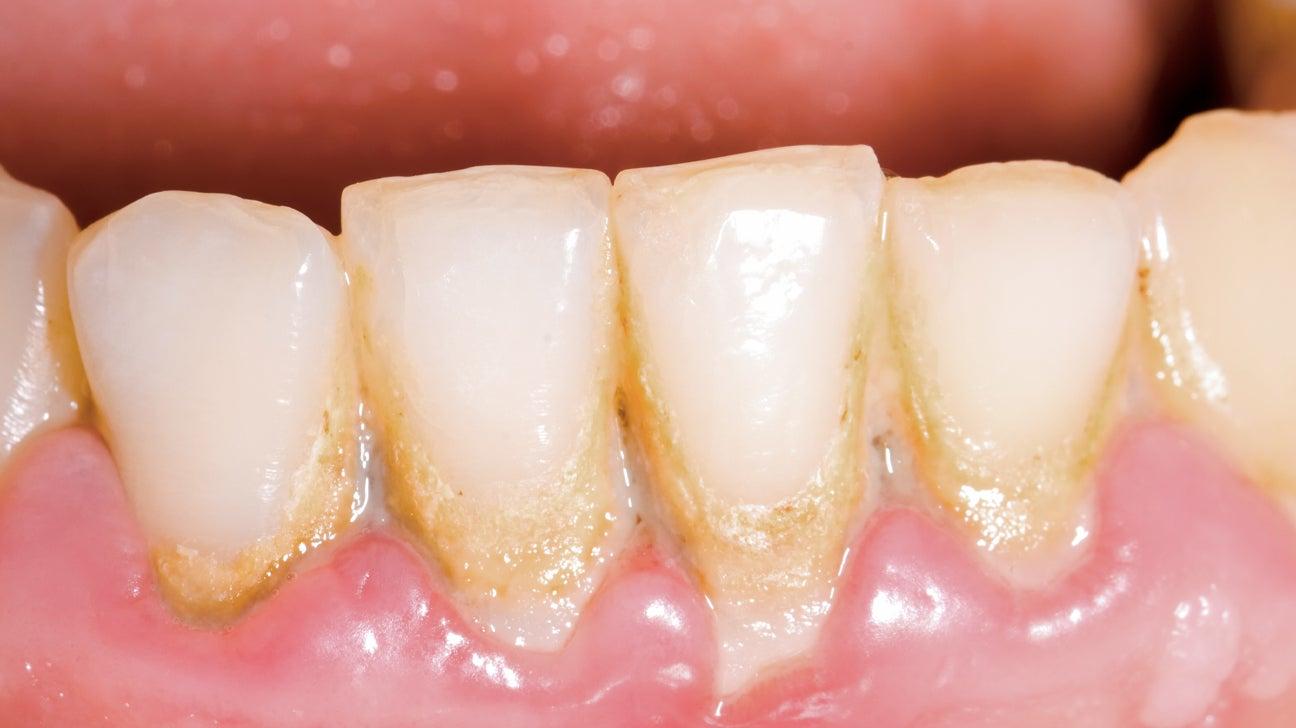
But as the condition progresses, the signs become harder to ignore. Swelling increases. Gums may feel tender. In some cases, pus can appear near the gumline. Teeth may begin to feel slightly loose or shift position.
Each of these symptoms tells a story. Not just that something is wrong—but how far the disease may have progressed.
Understanding the Stages of Gum Disease
1. Gingivitis (Early Stage)
Gingivitis is the earliest stage of gum disease and is usually reversible with proper oral hygiene and professional dental cleaning.
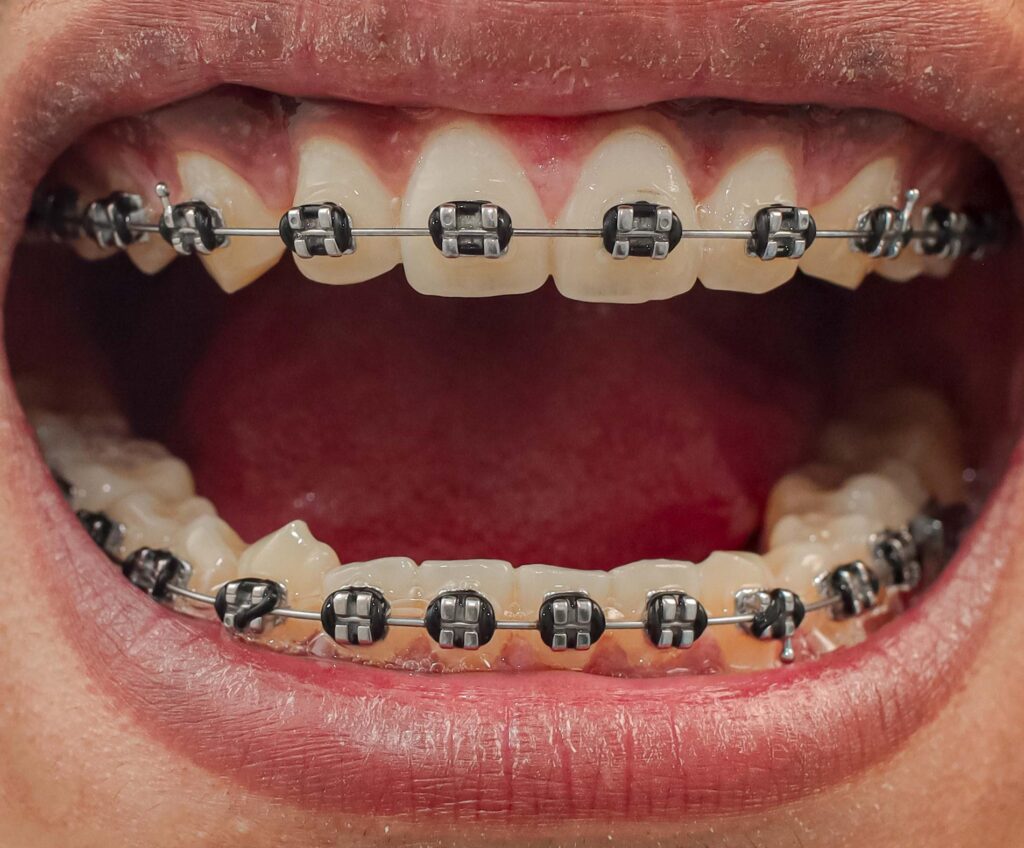
Considering braces for yourself or your child? Compare metal and ceramic braces, lingual braces and clear aligners, understand the treatment journey, learn what affects timing, and discover how to protect your results.
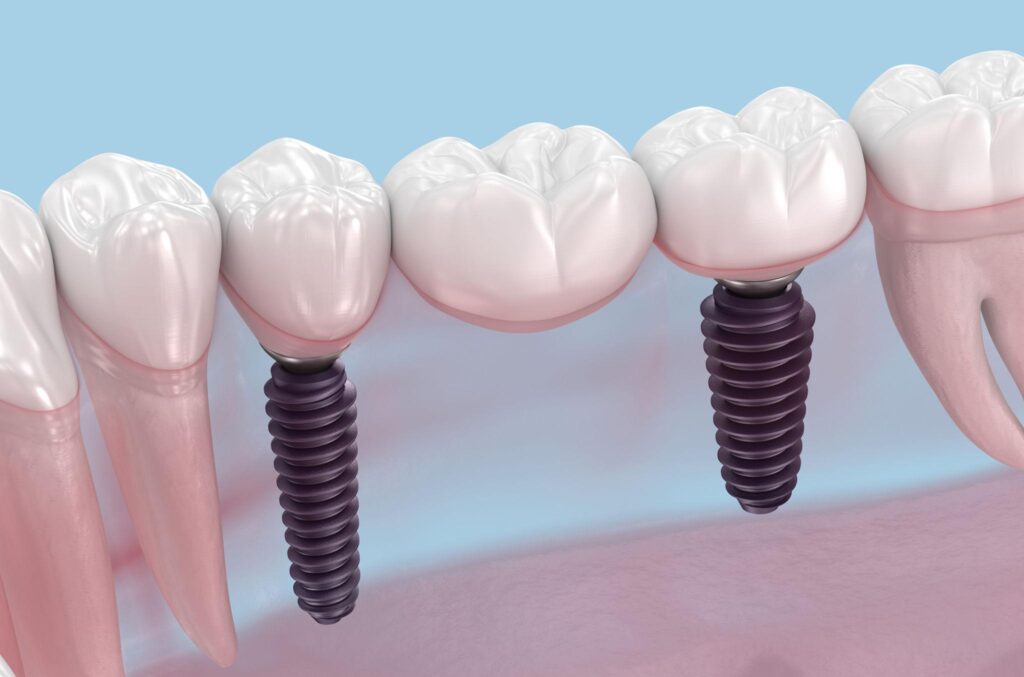
A comprehensive patient-friendly guide to dental implants, explaining what they are, how they work, benefits, risks, procedure steps, and long-term care.
 For Dental Students & Professionals