Introduction
Missing teeth can affect far more than just your smile. In everyday dental practice, patients often report difficulty chewing, changes in speech, and a loss of confidence after tooth loss. Over time, missing teeth can also lead to bone loss and shifting of surrounding teeth.
Dental implants have transformed modern dentistry by offering a long-term, stable solution that closely mimics natural teeth. Unlike removable dentures or traditional bridges, implants are anchored directly into the jawbone.
Understanding dental implants—from how they work to who they are suitable for—helps patients make informed decisions about restoring their oral health.
Quick Answer
- Dental implants are artificial tooth roots placed in the jawbone.
- They support crowns, bridges, or dentures.
- Made commonly from titanium or zirconia.
- Provide a stable and long-lasting tooth replacement.
- Help preserve jawbone and facial structure.
- Require surgery followed by a healing phase.
What Is a Dental Implant?
A dental implant is a small, screw-like device placed into the jawbone to replace the root of a missing tooth.
For patients, it functions as a strong foundation for an artificial tooth, such as a crown.
Biologically, implants integrate with the bone through a process called osseointegration, where bone cells grow around the implant surface, securing it firmly in place.
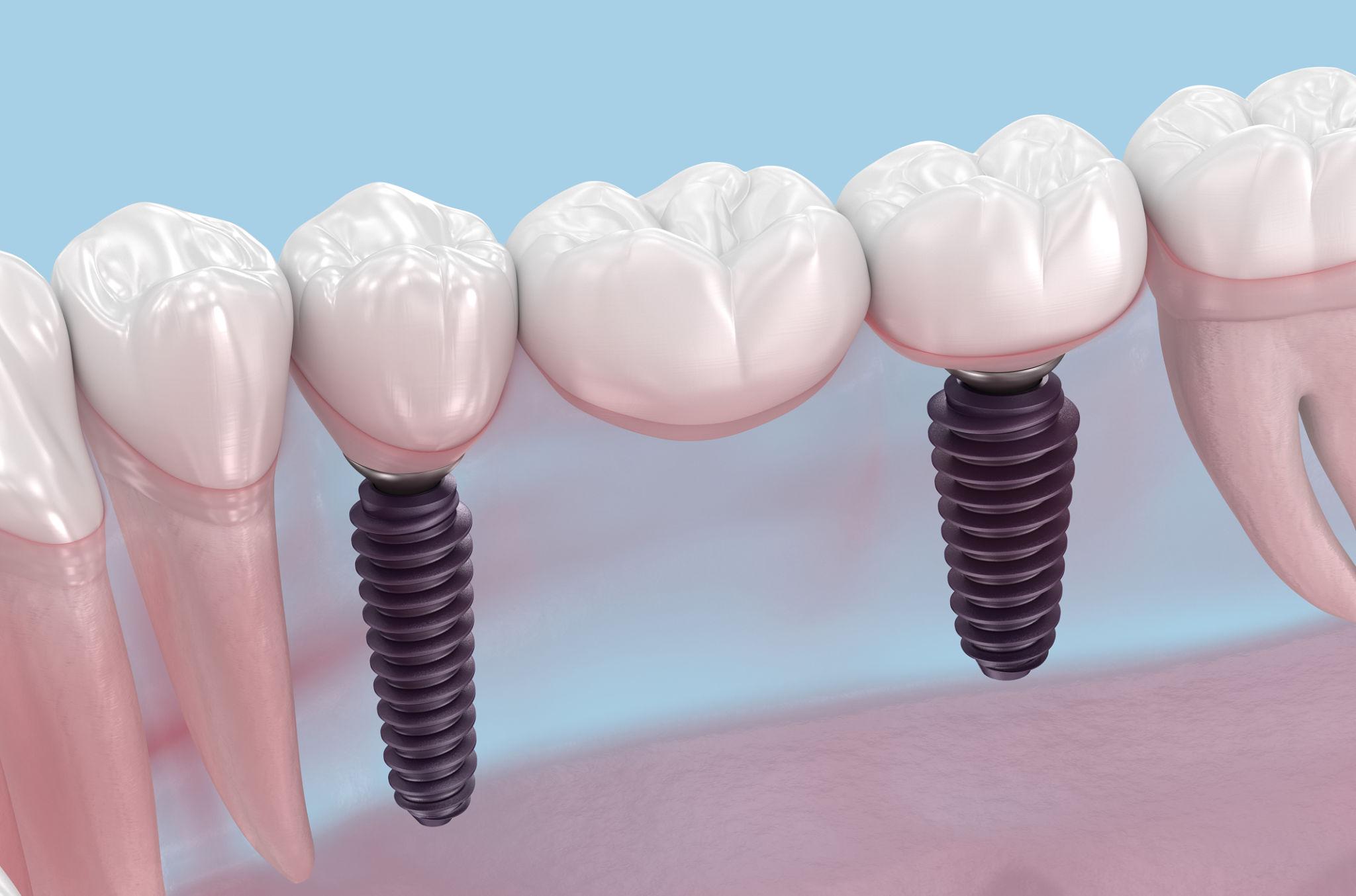
In clinical practice, implants are designed to mimic natural tooth structure:
- Implant (root replacement)
- Abutment (connector)
- Crown (visible tooth)
From a practical perspective, this design allows implants to function and feel like natural teeth.
How Do Dental Implants Work?
Dental implants work by becoming part of the jawbone.
After placement, the body begins a healing process where bone cells attach to the implant surface.
Biologically, this integration provides stability similar to a natural tooth root.
In everyday dental practice, once healing is complete:
- The implant can support chewing forces.
- It prevents bone loss in the area.
- It maintains alignment of surrounding teeth.
One important observation is that implants do not rely on neighboring teeth for support, unlike bridges.
From a practical standpoint, this makes implants a more conservative and long-term solution.
Why Are Dental Implants Important?
Tooth loss affects more than appearance.
Biologically, when a tooth is lost:
- The jawbone begins to shrink (resorb).
- Adjacent teeth may shift.
- Bite balance is affected.
In clinical practice, untreated tooth loss can lead to:
- Difficulty chewing.
- Speech problems.
- Facial changes over time.
Dental implants help:
- Preserve bone.
- Restore function.
- Maintain facial structure.
From a practical perspective, implants support both oral health and quality of life.
Types of Dental Implants
Dental implants are not one-size-fits-all.
Single-Tooth Implants
Used to replace one missing tooth.
Implant-Supported Bridges
Replace multiple missing teeth.
Implant-Supported Dentures
Provide stability for full-arch tooth loss.
Biologically, all types rely on bone integration.
In clinical practice, the choice depends on:
- Number of missing teeth.
- Bone availability.
- Patient preferences.
From a practical standpoint, treatment is customized for each patient.
Who Is a Candidate for Dental Implants?
Most adults with missing teeth can be considered for implants.
Ideal candidates typically have:
- Good general health.
- Healthy gums.
- Adequate bone in the jaw.
Biologically, sufficient bone is needed for implant stability.
In clinical practice, additional procedures like bone grafting may be required if bone is insufficient.
Certain conditions—such as uncontrolled diabetes or heavy smoking—may affect success rates.
From a practical perspective, a thorough evaluation ensures safe and predictable outcomes.
Benefits of Dental Implants
Dental implants offer several advantages.
- Natural appearance and function.
- Long-lasting solution.
- Preservation of jawbone.
- No impact on neighboring teeth.
- Improved comfort compared to dentures.
Biologically, implants help maintain bone density by stimulating the jaw during chewing.
In everyday practice, patients often report improved confidence and quality of life.
From a practical standpoint, implants are considered one of the most effective tooth replacement options.
Risks and Considerations
While generally safe, implants are surgical procedures and carry some risks.
Possible complications include:
- Infection.
- Implant failure.
- Nerve injury (rare).
- Healing complications.
Biologically, these risks are related to how the body responds to surgery and healing.
In clinical practice, careful planning and patient selection minimize risks.
From a practical perspective, following post-operative instructions is essential for success.
How Long Do Dental Implants Last?
Dental implants are designed to be long-lasting.
Biologically, once integrated with bone, they can remain stable for many years.
In clinical practice:
- Implants can last decades.
- Success depends on oral hygiene and maintenance.
The crown attached to the implant may need replacement over time due to wear.
From a practical perspective, proper care significantly extends the lifespan of implants.
Maintenance and Care
Dental implants require regular care, similar to natural teeth.
Patients should:
- Brush twice daily.
- Floss or use interdental cleaning tools.
- Attend regular dental check-ups.
Biologically, plaque accumulation around implants can lead to inflammation (peri-implantitis).
In everyday practice, good oral hygiene is a key factor in long-term success.
From a practical standpoint, implants are low-maintenance but not maintenance-free.
Myth vs Fact
Myth: Dental implants are painful.
Fact: The procedure is performed under anesthesia and is generally well tolerated.
Myth: Implants look artificial.
Fact: Modern implants closely mimic natural teeth.
Myth: Implants are only for older adults.
Fact: They are suitable for adults of various ages.
Myth: Implants require special care.
Fact: They require the same care as natural teeth.
Frequently Asked Questions
- Are dental implants safe?
Yes, dental implants are considered safe and have a high success rate when performed by qualified professionals.
- How long does the implant process take?
The process may take several months, including healing time for bone integration.
- Can implants fail?
Yes, although rare, failure can occur due to infection, poor healing, or other factors.
- Do implants feel like natural teeth?
Most patients report that implants feel very similar to natural teeth in function and comfort.
- Is everyone eligible for implants?
Not everyone is an ideal candidate. A dental evaluation is necessary to determine suitability.
- Are implants better than dentures?
Implants provide greater stability and comfort, but the best option depends on individual needs.
Educational Disclaimer
This content is for educational purposes only and is not a substitute for professional dental advice. Always consult a qualified dental professional for diagnosis and treatment.
 For Dental Students & Professionals