Medical Emergencies in Dental Clinic — Algorithm Guide
Medical emergencies in dental settings are uncommon but high-impact events where outcome depends almost entirely on early recognition, algorithmic response, and team coordination. Most adverse outcomes arise not from rarity, but from hesitation and protocol confusion.
Jul 13, 202610 min readDental Learner editorial
Main Question
How should dental teams recognize and respond to medical emergencies using structured chairside algorithms?
Key Points
Rapid primary survey (ABC approach)
Pattern recognition of common emergencies
Predefined drug & equipment readiness
Role assignment in team response
Clear escalation triggers
Documentation & post-event audit
This guide converts dental clinic emergencies into chairside decision algorithms designed for rapid execution under stress.
Dental Learner Note
Examiner Note: ABC always before diagnosis
Quick TakeawayABC always before diagnosis
Common Misunderstanding
Red Flag — activate EMS immediately
Chairside Tip — execution detail
Medicolegal — documentation trigger
Examiner Note — viva anchor
Pitfall — common management error
What It May Mean
Rapid primary survey (ABC approach)
Pattern recognition of common emergencies
Predefined drug & equipment readiness
Role assignment in team response
Clear escalation triggers
What To Do Next
Follow the stepwise algorithm and escalation triggers described in the article.
Important Context
Red Flag — activate EMS immediately
Chairside Tip — execution detail
Medicolegal — documentation trigger
Examiner Note — viva anchor
Pitfall — common management error
Airway swelling
Wheeze
Hypotension
Urticaria + breathing difficulty
EMS activation
Consider epinephrine if life-threatening
Time-critical emergency
Take-home Message
ABC always before diagnosis
Medical Emergencies in Dental Clinic
Medical emergencies in dental practice are uncommon, but every dental professional should be prepared to recognise and manage them quickly. Early recognition, prompt action, and effective teamwork can significantly improve patient outcomes.
Universal Emergency Response
Whenever a medical emergency occurs during dental treatment, the first priority is patient safety. Stop the procedure immediately, assess the patient’s condition, and follow the standard emergency response protocol.
Stop dental treatment immediately
Call for assistance
Assess Airway, Breathing, and Circulation (ABC)
Position the patient correctly
Administer oxygen if required
Monitor vital signs
Prepare emergency medications if indicated
Why Preparation Matters
Every dental clinic should maintain an emergency kit, ensure staff receive regular training, and rehearse emergency protocols. Preparation helps the dental team respond confidently and efficiently during critical situations.
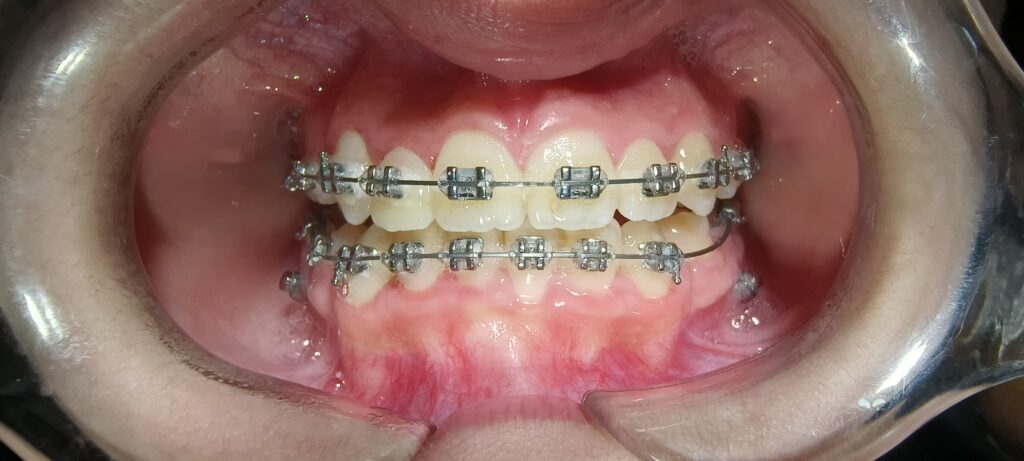
Considering braces for yourself or your child? Compare metal and ceramic braces, lingual braces and clear aligners, understand the treatment journey, learn what affects timing, and discover how to protect your results.
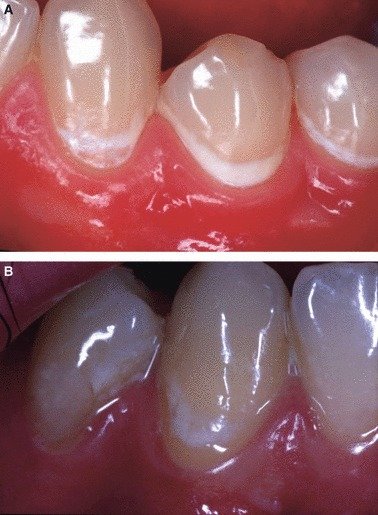
Modern cariology requires more than detecting lesions — it requires determining lesion behavior. Whether a lesion is active or arrested directly determines urgency, recall interval, preventive intensity, and operative threshold. Misclassification leads to overtreatment, undertreatment, and medicolegal vulnerability.
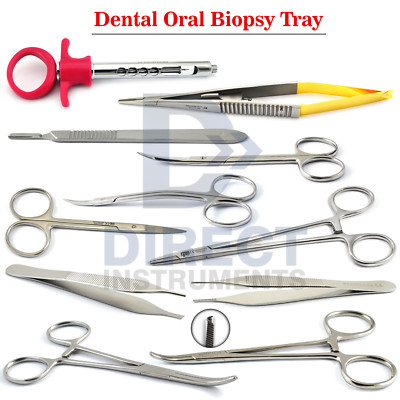
Biopsy is the definitive diagnostic procedure for suspicious oral lesions — yet clinical failures often arise from wrong site selection, wrong biopsy type, poor margin choice, or delayed referral. The technical act of cutting tissue is simple; the decision architecture behind biopsy is not.
 For Dental Students & Professionals